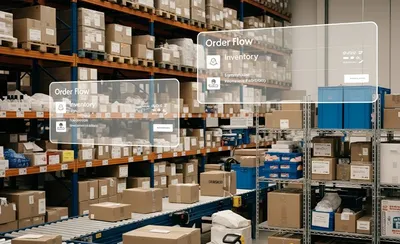



Scaling a fashion brand online isn’t just about launching a store, it’s about building a system that can handle growth. This ecommerce website case study explains how we rebuilt a fashion ecommerce platform to support performance, scalability, and conversions from the ground up.
The project focused on solving real limitations, slow load times, poor mobile UX, and backend inefficiencies. The outcome was a scalable ecommerce platform designed for high traffic, seamless user experience, and consistent performance under growth conditions.
The client was a fast-growing fashion ecommerce website selling apparel and accessories directly to consumers. While demand was strong, their website was limiting growth.
Slow Website Performance
Poor Mobile Experience
Low Conversion Rates
Traffic Scalability Issues
Inventory & Product Complexity
The rebuild focused on both business outcomes and technical benchmarks.
The goal was to create a platform ready for long-term growth, not short-term fixes.
A modern, API-driven architecture was used to ensure flexibility and scalability.
This setup ensured the platform could scale without major rework.
UX decisions were driven by actual user behavior in fashion ecommerce.
Mobile-First Design
Simplified Navigation
Advanced Filtering
Product Presentation
Visual Hierarchy
These changes reduced friction and improved conversions.
Performance was treated as a core product feature.
|
Metric |
Before |
After |
|
Page Load Time |
5.8s |
1.9s |
|
LCP |
4.2s |
2.1s |
|
Bounce Rate |
58% |
34% |
|
PageSpeed Score |
50–55 |
88–92 |
These improvements directly enhanced both SEO and user experience.
All features were built with scalability in mind.
Traffic Spikes During Campaigns
The platform struggled during peak traffic periods. This was resolved using AWS auto-scaling and CDN caching to handle sudden load increases.
Large Product Data Handling
Product variants caused slow queries. Optimizing the database schema and indexing significantly improved performance.
Payment Failures
Checkout drop-offs were linked to payment issues. Multiple payment gateways and retry logic reduced transaction failures.
Mobile Responsiveness Issues
The previous design did not render consistently across devices, leading to layout shifts and usability issues on smaller screens. This was resolved by rebuilding the UI using a fully responsive design system, with consistent breakpoints and extensive device testing to ensure uniform performance across screen sizes.
The impact of the rebuild was visible within the first 60–90 days after launch.
The platform enabled the business to scale without technical limitations.
This project succeeded because of a combination of technical and strategic decisions.
Instead of patching issues, the focus was on building a system ready for long-term growth.
If you are planning to build or upgrade your platform, explore our approach to ecommerce website development. We also provide web development services for growing businesses and support global clients through structured offshore development models.
If your ecommerce platform struggles with performance, scalability, or conversions, building the right technical foundation early can prevent costly rebuilds later.
Talk to Riolabz to design and develop a scalable ecommerce website tailored to your business growth goals.
A scalable ecommerce website uses cloud infrastructure, optimized database design, and modular architecture to handle increasing traffic and product data without performance issues.
Timelines typically range from 4 to 12 weeks depending on features, integrations, and design complexity.
Platforms like Shopify, WooCommerce, or custom-built solutions are commonly used depending on scalability and customization needs.
Performance is improved through image optimization, CDN usage, efficient code, and Core Web Vitals optimization.
Most users shop via mobile devices, so a seamless mobile experience directly impacts engagement, conversions, and revenue.